
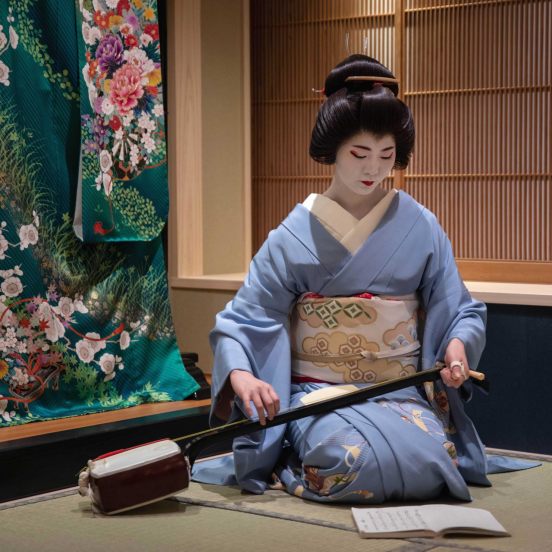
In Japan, geishas are a respected performing arts group with a long history of development. Geisha culture in Japan is also an indispensable part of the country’s national spiritual system. Putting aside other elements of geishas, today we will start with geisha costumes to understand the exotic ethnic customs contained in them.
What Are Geisha Costumes?
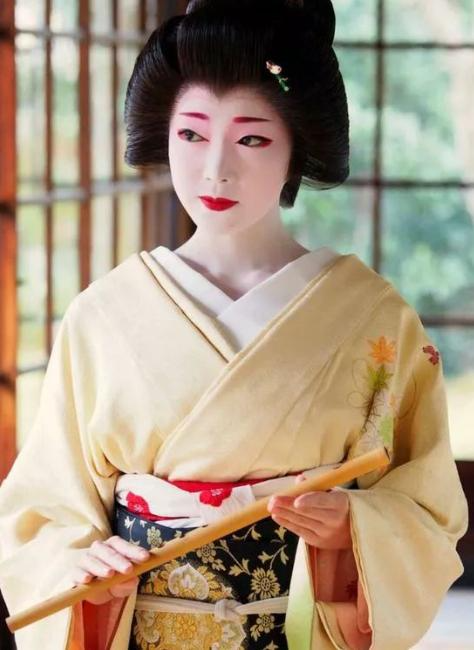
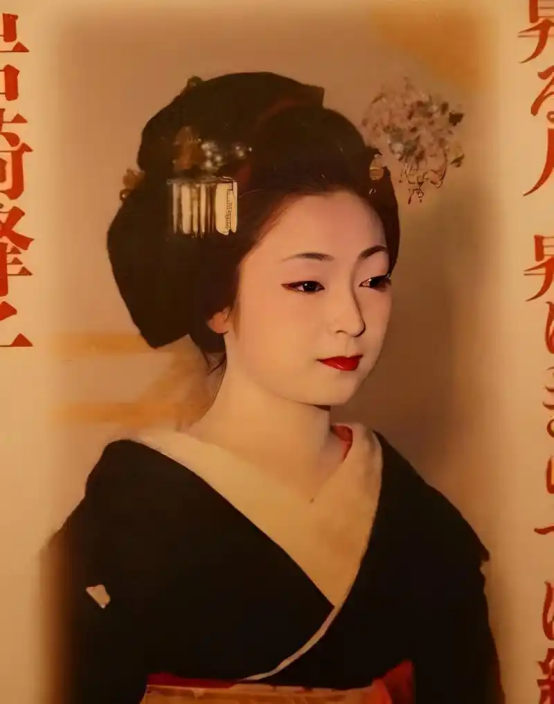
Geisha attire represents the iconic look of Japan’s traditional performing arts profession. It centers around three key elements: stark white makeup, elegant kimonos, and the distinctive Shimada hairstyle. These outfits are worn during song-and-dance performances and social gatherings.
Key Features of the Attire
Kimono Details:
Crafted by hand, these luxurious garments can cost up to $15,000 (roughly ¥100,000). Designers prioritize bold color combinations and intricate details—like red patterns or solid-white backgrounds—to signal rank.
Experienced Geishas:
They wear pure-white kimonos with matching white collars and accessories.
Younger Geishas:
Their kimonos feature red-patterned collars. Over time, they transition to all-white designs as their seniority grows.
What difference between Geisha Kimonos and Ordinary Kimono?
Geisha kimonos stand apart from everyday versions through design, craftsmanship, wear style, and cultural significance. These differences highlight Japan’s refined textile artistry while reflecting geishas’ unique role as cultural guardians. Key distinctions fall into three areas:
- Materials & Craftsmanship
Geisha clothing use premium shiozzen silk (top-grade spun silk), adorned with intricate techniques like Kyo-yuzen dyeing or gold-leaf embroidery. Motifs include auspicious symbols (phoenixes, cherry blossoms) in bold hues (crimson, royal blue). High-rank geishas sport all-white trimmings. Everyday kimonos rely on cotton, linen, or synthetic fabrics with simpler patterns (small floral prints) in muted tones. Married women often wear dark furisode sleeves. - Style & Accessories
Formal geisha attire stacks up to twelve layers, with floor-length flowing sleeves and elaborate taiko-musubi belt knots. Gold hairpins and silk tabi socks complete the look. Casual kimonos stay lightweight (3–5 layers) with shorter sleeves, basic belt tying, and practical cotton socks/wooden combs. - Cultural Purpose
Geisha outfits serve as professional uniforms, embodying peak traditional aesthetics for performances and client interactions. Ordinary kimonos prioritize utility—worn daily or during festivals—symbolizing cultural identity through modesty.
Scenarios and Uses
Geisha costumes and Japanese kimonos share the same origin in terms of overall structure and general shape. But they differ in different parts and details.There are many types of geisha costumes. First, in terms of scenarios and uses, there are relatively strict standards for classifying them. Different occasions lead to differences in the design, material and wearing method of geisha costumes.
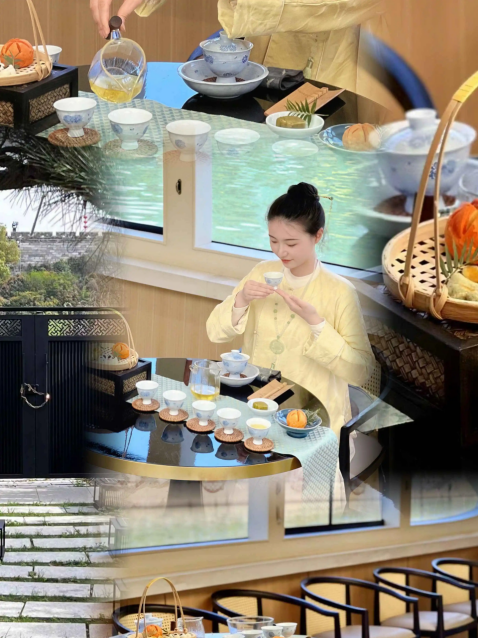
In special tea ceremony occasions, geisha costumes are characterized by simplicity and elegance. They usually use plain silk or satin as the material. The patterns are mainly subtle geometric lines or natural elements. They strictly follow the principle of not overshadowing the tea ceremony itself.
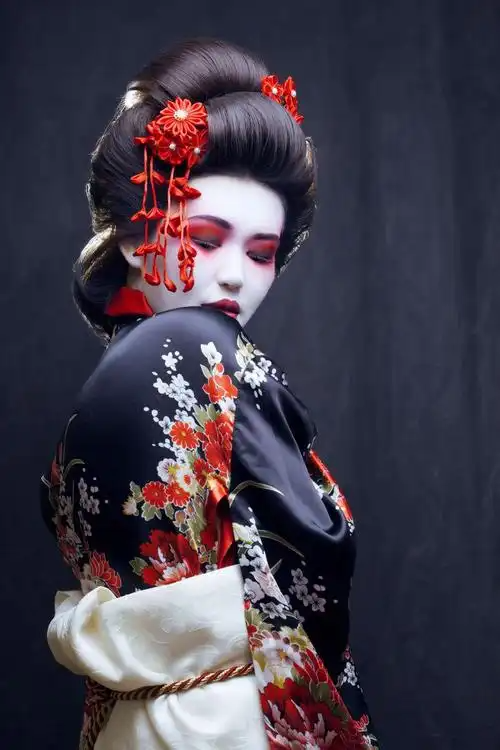
Geisha costumes for photography are quite different from those for tea ceremonies in overall style. They aim to highlight the costume effect and the wearer’s image. So they pay more attention to visual impact. They use high-saturation colors. They are also decorated with intricate gold-thread embroidery and various sequins to enhance their performance in front of the camera.
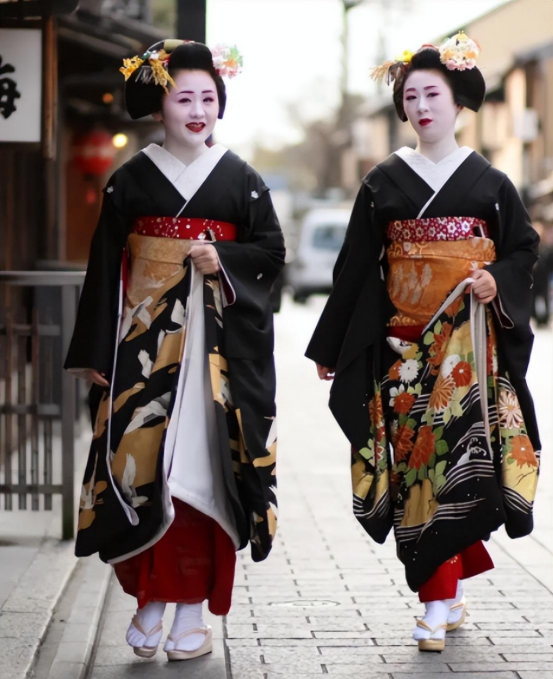
During festival celebrations, geisha costumes are mainly focused on showing grandeur. For example, during Kyoto’s “Gion Matsuri”, geishas wear “dakai” – a kind of outer long-sleeved garment that can reach the ankles. It is often made of brocade with gold and silver foil. And it is matched with large carved obis (belts) to strengthen the ceremonial role of geishas in important festivals.
Role-Playing
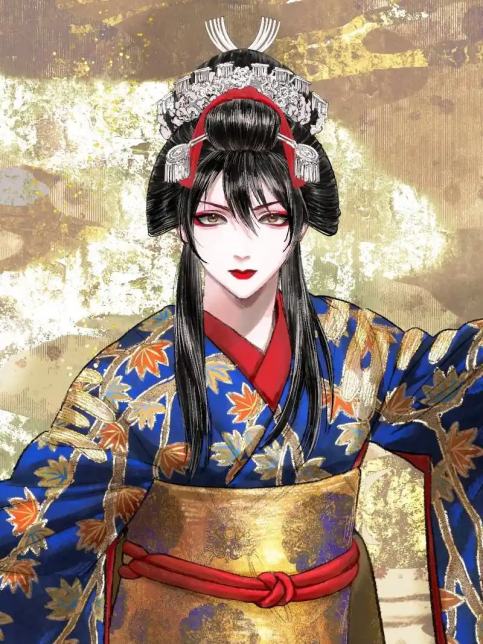
Besides the classification of traditional geisha costumes, the popularity of anime IPs in recent years has also boosted the popularity of many Japanese cultural elements. Thus, role-playing costumes have been derived from geisha costumes.For example, the costumes worn by geisha characters in “Gintama” — one of Japan’s popular anime series — often break traditions when transformed into role-playing outfits. They use fluorescent colors or fictional patterns. The fabric is replaced with lightweight chemical fiber. This allows long-term wearing at exhibitions and enhances the costume’s durability and wear resistance.
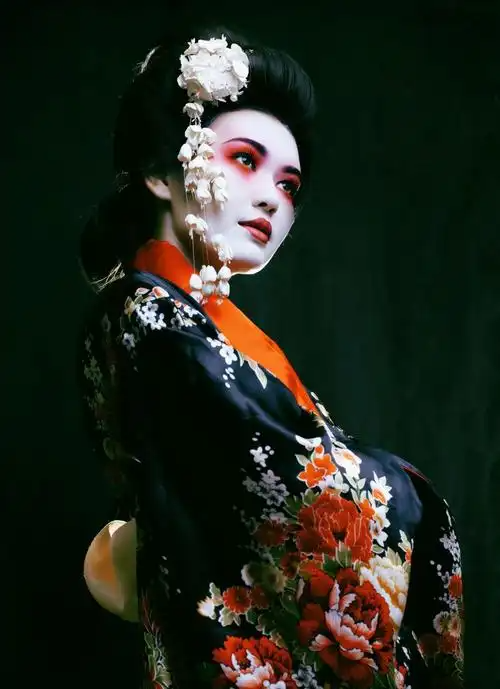
The costumes of apprentice geishas (maiko) strictly replicate the regulations of the Edo period. For example, underage maikos need to wear red collared undershirts and colorful embroidered obis. Their hair accessories also change with the seasons to symbolize their apprentice status. These costumes carry a strong flavor of traditional Japanese history.
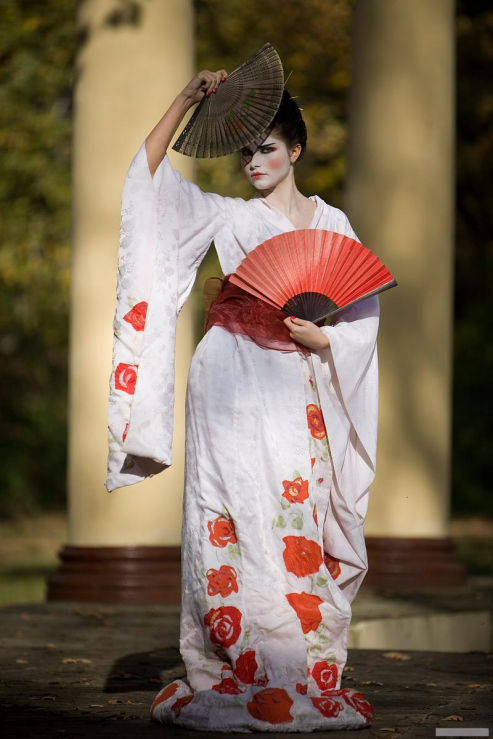
On the other hand, samurai-style mixed geisha costumes skillfully combine the metal elements of samurai armor with the soft curves of geisha costumes. This creates a visual impact of “combining hardness and softness”. However, most of these style geisha costumes can only be seen in modern stage plays.
Styles and Design
After talking about the classification of geisha costumes, let’s talk about how their style and design characteristics show Japanese style.
Traditional geisha costumes follow Japan’s “seasonal response” principle. In spring, costumes include typical seasonal elements. For example, there are light pink furisode (long-sleeved kimono) dyed with cherry blossom petals. In autumn, warm orange homongi (semi-formal kimono) with autumn maple leaf patterns are used. These reflect the natural concept of adapting to the times in Japanese culture.
Modern improved versions of geisha costumes retain core elements. They use elastic fabrics instead of rigid silk to improve comfort. Or the width of the obi is reduced from 30 cm to 15 cm to facilitate daily activities.
Vintage geisha costumes first strictly follow and retain the techniques of the Meiji period in production. They adopt the traditional craft of hand-made yuzen dyeing. The pattern colors also strictly imitate ancient styles.
For some costumes with modern integrated styles, designers will embed LED strips into the obi to outline a glowing outline. Or they use innovative technology to make different three-dimensional kanzashi (hairpins). The patterns are also integrated with modern elements.
Finally, if you are very interested in geisha costumes and want to experience them, here are some purchasing suggestions.First, when choosing a geisha costume, you need to pick the right style. You should select sellers with a detailed eye. And you need to inquire and compare the material and quality from multiple sources.If you want to buy authentic geisha costumes, you can choose genuine overseas purchasing platforms. Or you can contact some well-known Japanese costume handicraft stores.
If you don’t want to buy one and just want to experience it, renting is also a good option. You just need to choose the costume style you want according to yourself. But you still have to refer to the specific costume shape when selecting.
Table of Geisha Kimono Styles and Color Combinations (Men & Women)
| Gender | Kimono Style | Key Features | Color Combinations |
|---|---|---|---|
| Women | Maiko (Apprentice) Furisode | Sleeves reach the ankles; black patterns on cuffs; 6-meter-long obi hangs behind; red inner collar | Vibrant colors (crimson, sapphire blue) + gold-foil cherry blossom/phoenix patterns |
| Women | Professional Geisha Tomesode | Sleeves reach the hips; all-white collar; obi tied in taiko knot; simplified juni-hitoe (for ceremonies) | Plain colors (black, navy blue) + light patterns on hems |
| Men | Traditional Mon-tsuki Haori Hakama | Haori has family crests in the center; closed cuffs; paired with narrow kakumaki obi; wide pant legs | Plain colors (black, navy blue); same-color matching; no complex patterns |