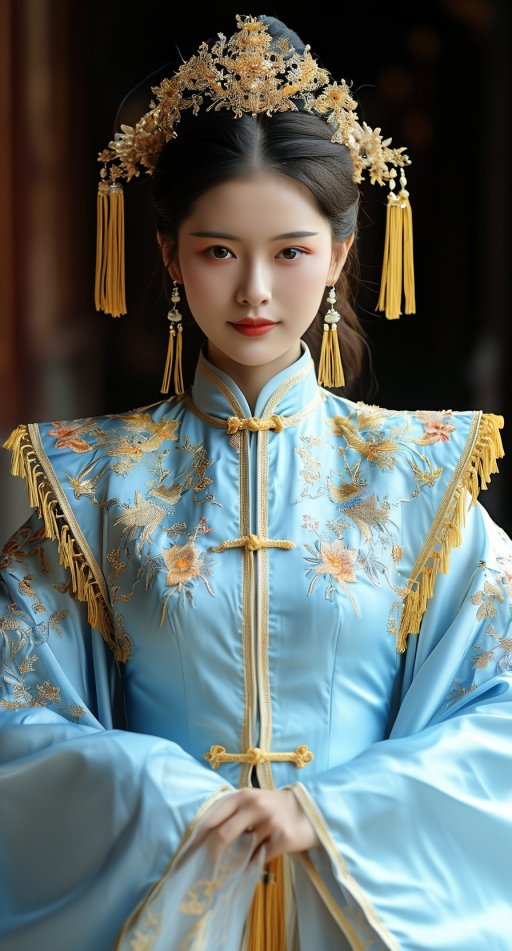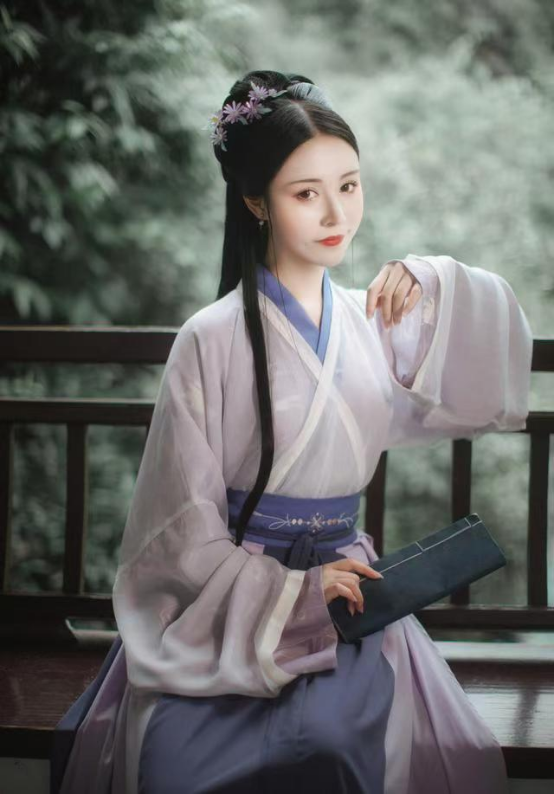
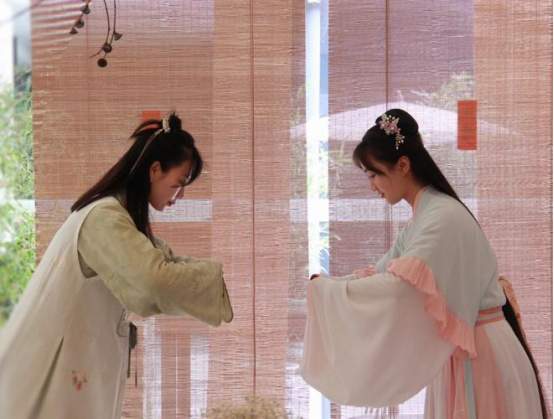
Hanfu is not only an invaluable treasure in material terms in China, but also equally precious in the spiritual and cultural aspect. Among these, Hanfu etiquette, as the spiritual externalization of Hanfu in Chinese civilization, inherits the cultural core of “respecting heaven and ancestors, and honoring the virtuous and loving people”.
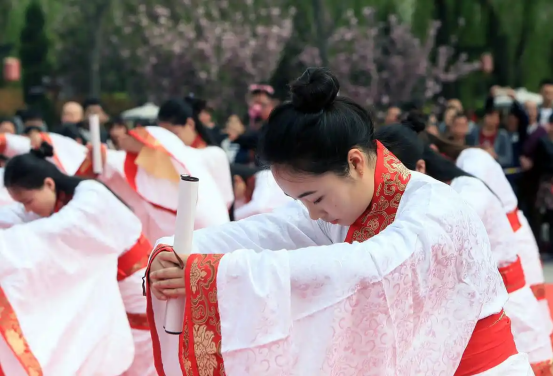
Hanfu etiquette and customs
The core of Hanfu etiquette and customs is respect for others, which runs through daily life, important rituals and social occasions. Among the bowing rituals in Hanfu etiquette, there are three types: “Tuyi”, “Shiyi” and “Tianyi”. Their main difference lies in the bowing angle and the target people:
- Tuyi” (a 15-degree bow): for ordinary people;
- Shiyi” (a 30-degree bow): for peers;
- Tianyi” (a 45-degree bow): for elders or superiors.
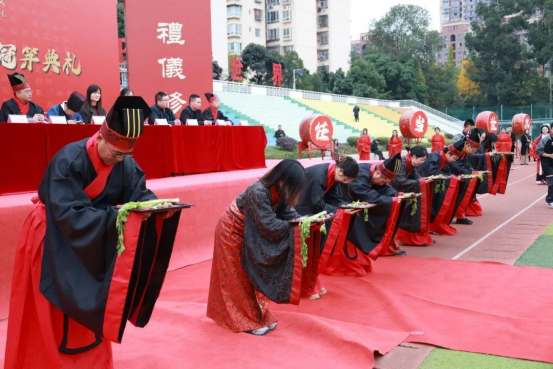
The greeting etiquette for Hanfu emphasizes “holding hands at eyebrow level”-men place their left hand over the right, while women do the opposite.
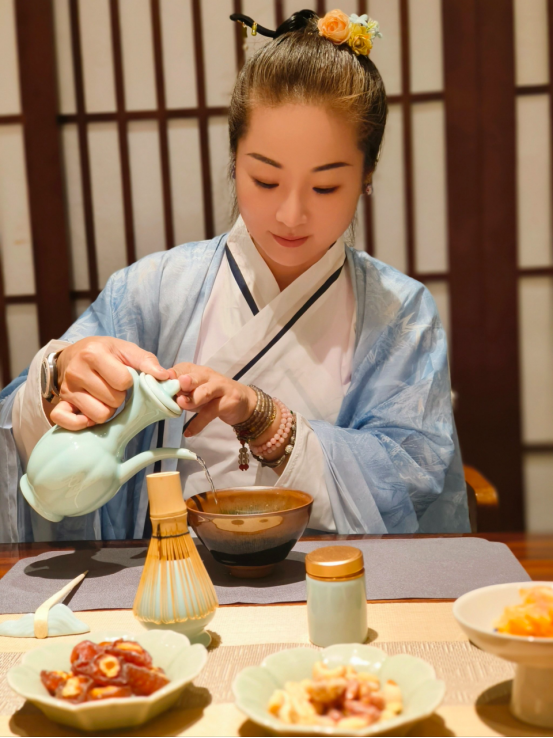
Hanfu tea ceremony etiquette is also quite elaborate. In the Song Dynasty, when preparing tea, one must keep wide sleeves from touching tea sets. In the Ming Dynasty, when serving tea, the back of the curved skirt should spread out like a lotus flower.
These detailed movements not only showcase physical beauty, but also cultivate a calm demeanor through the constraints of the attire. The core essence of these etiquettes is not mere revival of the past, but a way to embody the noble temperament of each individual.
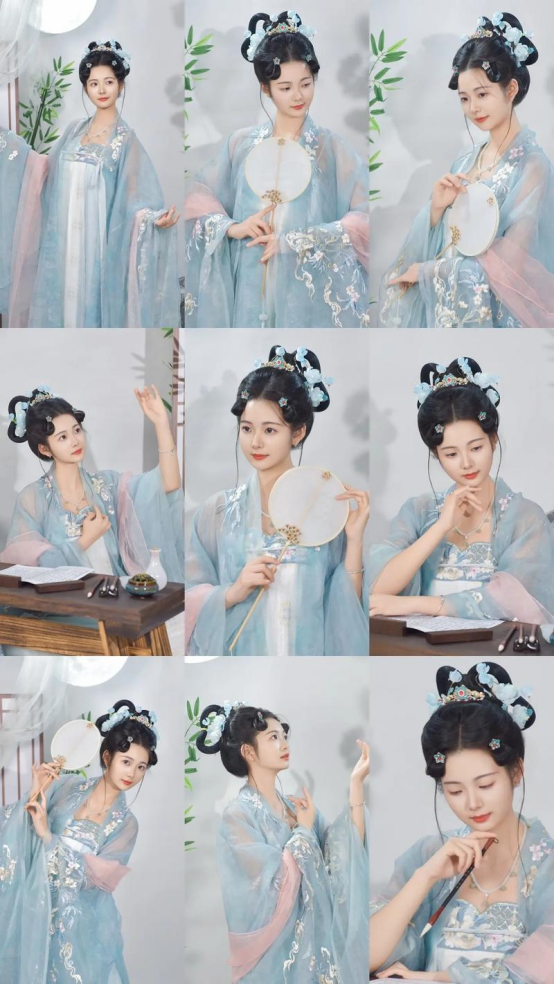
Etiquette Notes for Wearing Hanfu
The etiquette for wearing Hanfu follows the basic principle of “neat attire and solemn appearance”.Firstly, Hanfu adheres to the “right-over-left overlap” structure in its basic style, maintaining the integrity of its overall design.
The waist sash of Hanfu should be tied at the right front. The hanging length of the knot should match the width of the main sash. This dressing etiquette reflects the Chinese aesthetic of “moderation”.For example, when wearing “shenyi” (a traditional Hanfu style), the “vertical center seam” must stay straight—it symbolizes being upright. The hem of Hanfu should be 1 cun (about 3.3 cm) above the ground. This rule prevents soiling and highlights Hanfu’s solemnity.
In the Hanfu system, hairstyles and accessories also have specific etiquette. Adult men must cover their entire hair buns when wearing a crown. Women usually use an odd number of “buyao” (ancient hair ornaments) and hair flowers.There are many more Hanfu-wearing etiquettes, and only a few are listed here. However, these rules are not constraints. Instead, they aim to convey the philosophical concept of “harmony between man and nature” through clothing.
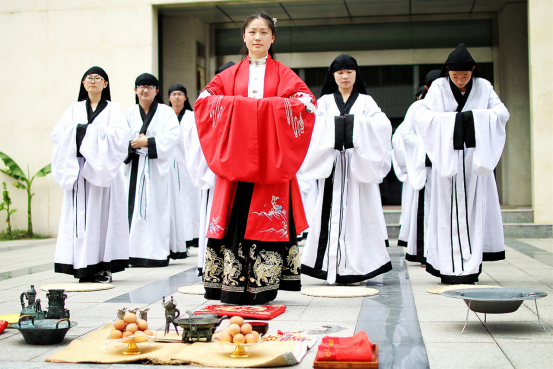
Traditional Hanfu Etiquette and Modern Hanfu Etiquette
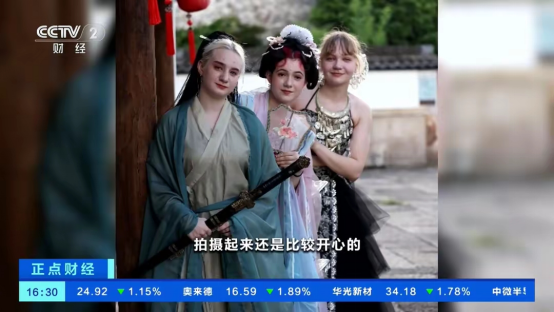
In modern times, Hanfu etiquette has achieved creative transformation while preserving its core spirit. For example, the traditional bowing etiquette has evolved into a mixed form of “light bow + handshake” — this not only retains traditional charm but also fits modern social etiquette habits. The tea ceremony etiquette has simplified traditional procedures, with refined operations in specific movements; when greeting, gestures like smiling are added, showing respect while avoiding excessive awkwardness. More importantly, Hanfu has developed diverse forms in modern times. Wearing Hanfu gradually follows the principles of scene integration and practical application, giving Hanfu more flexible cultural practice and playing a key role in promoting its inheritance and development.
Etiquette and clothing are inseparable, forming a unique cultural system. Hanfu etiquette is like a bridge, connecting the past and the present. Hanfu etiquette, integrating the ancient and the modern, is radiating new vitality in a fresh realm.