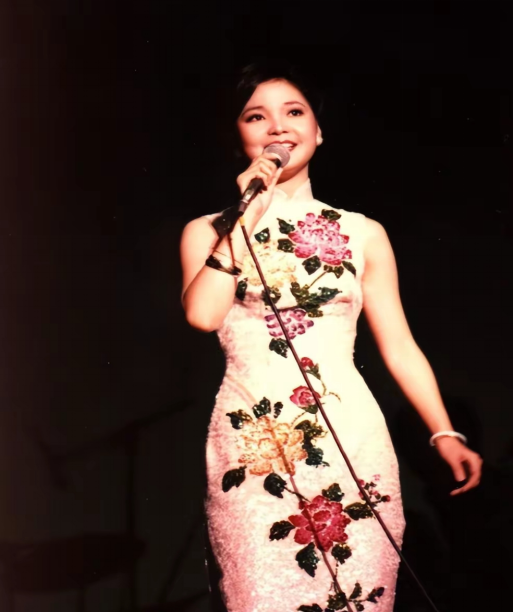

The roots of cheongsam lie in the Manchu people, one of China’s 56 ethnic groups, as it is their traditional attire. Since the Manchu were also called “banner people” (“qi ren” in Chinese), the garment later became known as ” cheongsam“. As the dominant ethnic group in the Qing Dynasty, the banner people represented nobility at that time. cheongsam originated and became institutionalized in Shengjing, emerging as one of the symbols of Chinese clothing culture.
The roots of cheongsam lie in the Manchu people, one of China’s 56 ethnic groups, as it is their traditional attire. Since the Manchu were also called “banner people” (“qi ren” in Chinese), the garment later became known as ” cheongsam”. As the dominant ethnic group in the Qing Dynasty, the banner people represented nobility at that time. cheongsam originated and became institutionalized in Shengjing, emerging as one of the symbols of Chinese clothing culture.
A Brief Origin of cheongsam
Cheongsam belongs to the robe category and evolved from “shenyi” dating back to the Spring and Autumn Period (2,700 years ago). Shenyi refers to ancient Chinese clothing that connects the upper garment and lower skirt into one piece. By the Qing Dynasty, this shenyi-style clothing, integrated with Manchu culture, gradually developed into a form-fitting, one-piece robe. Robes became a major clothing type, especially the robes worn by Manchu women-with straight, lines, ankle-length hems, and intricate decorations. From this, “banner clothing” (qizhuang) emerged. Loose-fitting and non-revealing, qizhuang is the traditional dress of the Manchu. The accumulated traditional cheongsam culture over time has become a key feature of Shengjing’s urban culture.
The Historical Development and Evolution of cheongsam
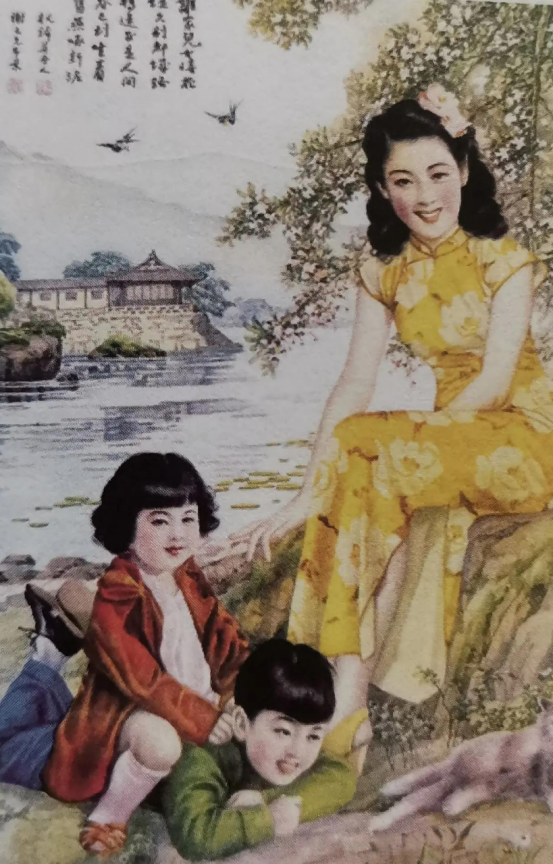
In 1920s Shanghai, influenced by Western tailoring techniques and the movement of women’s liberation, cheongsam—
once a representative costume for women in the late Qing Dynasty-underwent its first rebirth. During this period, cheongsam had a narrower waist, shorter hem, and introduced dart technology to highlight women’s natural body curves. This marked the first systematic and in-depth transformation of cheongsam’s structure in modern times. The improved cheongsam soon became popular across Shanghai and even the whole country.
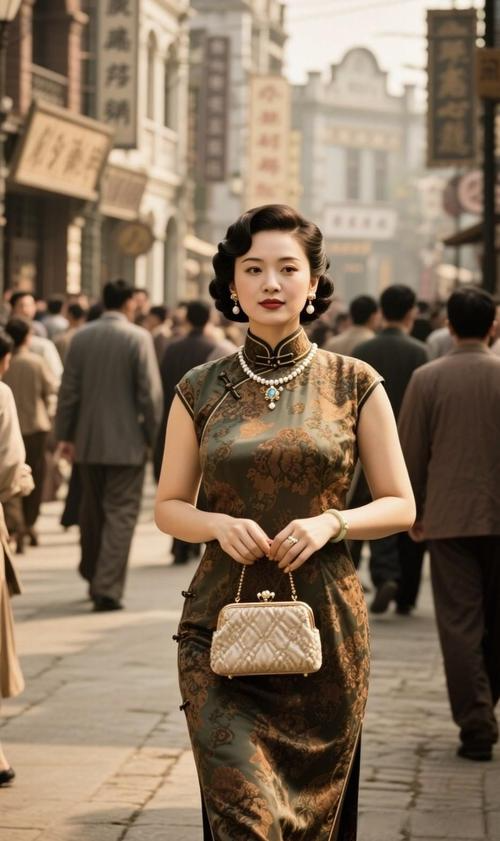
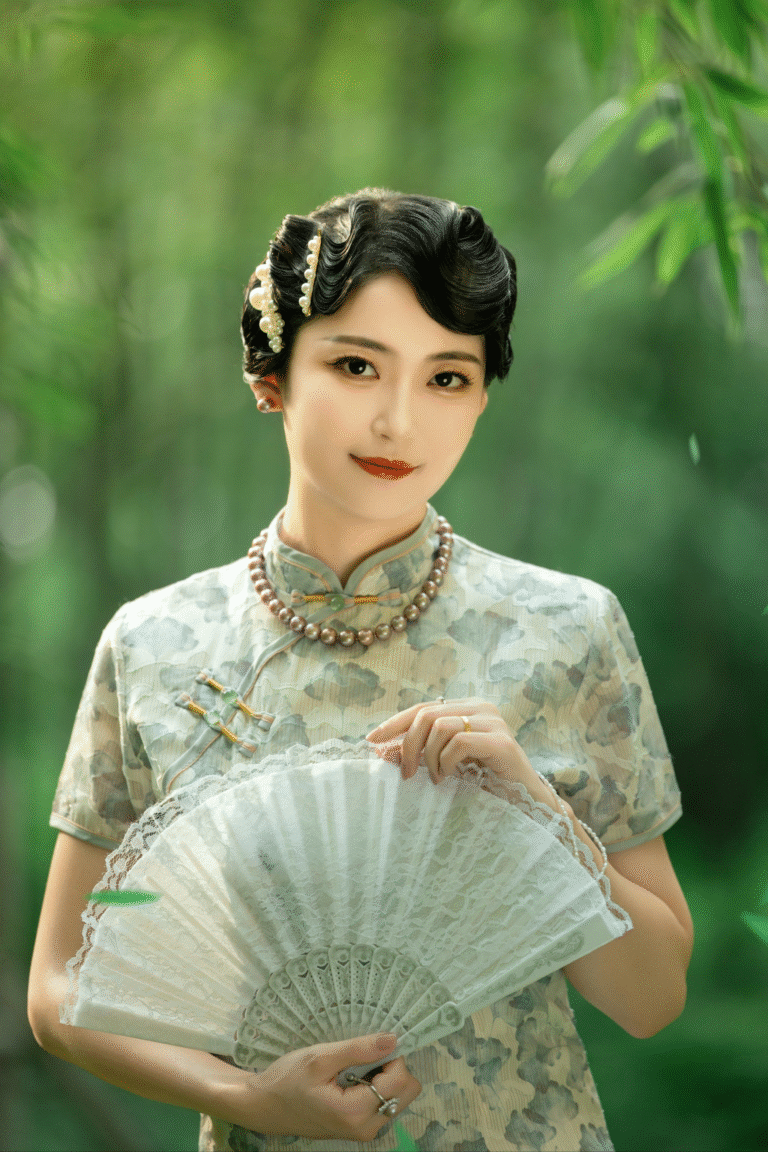
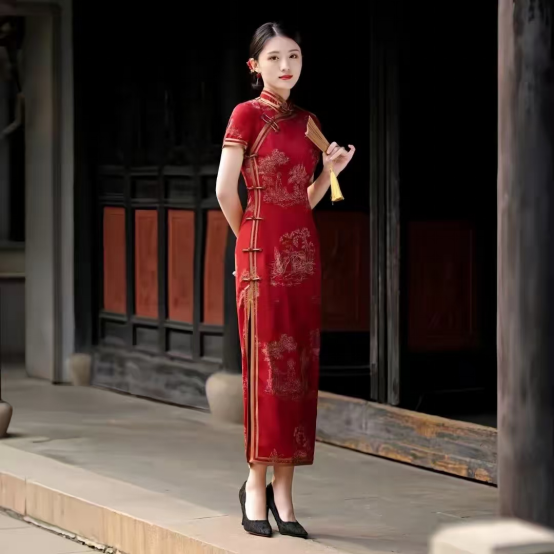
The 1930s to 1940s saw cheongsam’s golden age. Fabrics expanded from silk to cotton, linen, and wool. Details like edge piping and frog buttons became infinitely varied. Traditional patterns and motifs on cheongsam incorporated more cultural elements, while personalized and custom-made cheongsam appeared in the market. A cheongsam became a status symbol for families, and many celebrities and prominent figures in politics and business wore it daily. Thanks to their influence, cheongsam became a formal and representative traditional dress for women. Singaporean and Malaysian traditional cheongsam carry strong ethnic vibes. Shanghai-style cheongsam of this era merged Chinese and Western aesthetics, establishing the core structure of modern cheongsam: stand-up collar, slanted front, fitted waist, and side slits-exuding elegance in simplicity.
Types of Qipao
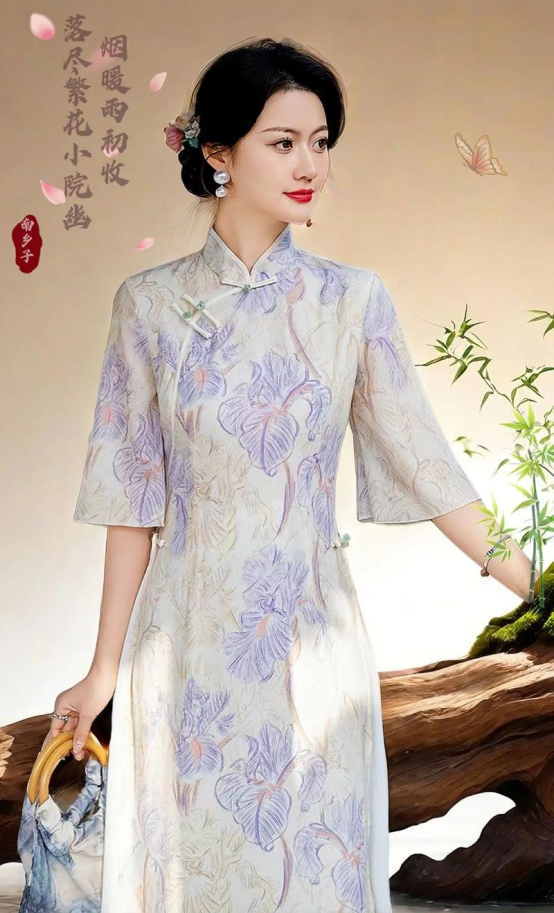
The main fabrics used in these different styles of qipao include: silk, Xiangyunsha (a traditional Chinese silk fabric), brocade satin, velvet, cotton-linen, lace, organza, chiffon, jacquard silk, and blends. The primary difference between these fabrics lies in their prices, which range from approximately $100 to $1,000. Qipao is suitable for various occasions such as formal events, daily wear, and weddings.
Based on design styles, qipao can be categorized into: straight-cut qipao, waist-cinched fitted qipao, and slit qipao.
The straight-cut qipao features a loose hem, offering ease of movement. It can camouflage body flaws and create a slimmer look, making it ideal for daily work or outings.
The waist-cinched fitted qipao uses precise tailoring around the bust, waist, and hips to accentuate the perfect curves, making it suitable for important banquets, weddings, and other formal occasions.
The high-slit qipao comes in both long and short lengths. The high slit showcases the leg line, and it is often seen at dinners, red carpets, etc. The short high-slit qipao is suitable for young girls to wear at parties, photo shoots, and similar events.
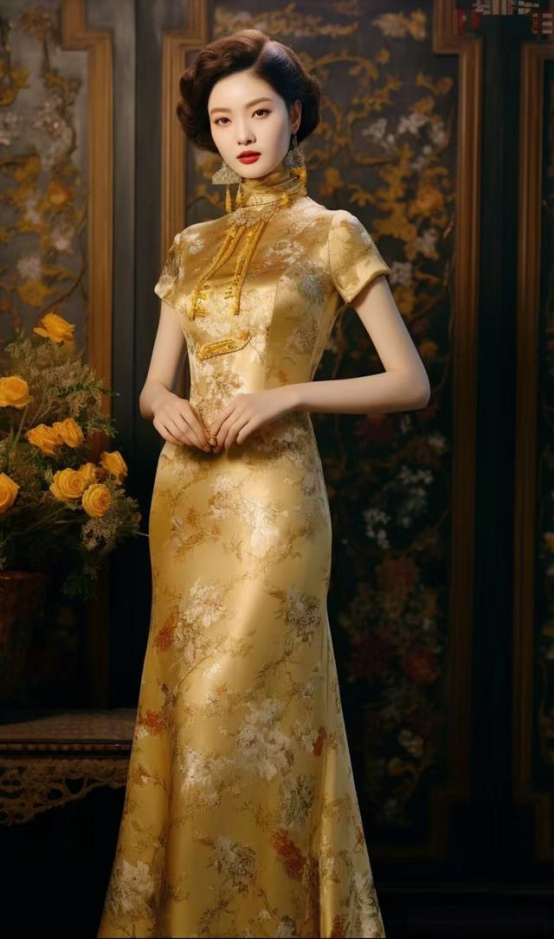
A Beauty Called cheongsam
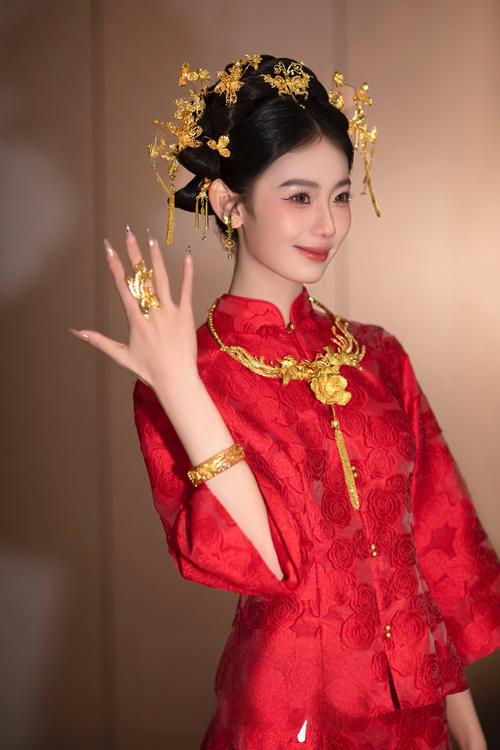
Contemporary cheongsam is undergoing a “new Chinese style” transformation, integrating more modern elements. Variations like traditional cheongsam tops, cheongsam-style coats, and wedding cheongsam have emerged. Patterns are no longer restricted, and modern technology enables tailor-made designs for consumers. Trends of personalization, uniqueness, aesthetics, and technology in cheongsam are growing stronger.
The century-long history of cheongsam is like an unbroken golden thread: one end connects to the fabric waiting to be made into cheongsam in Shanghai’s tailor shops, and the other links to the diverse, tech-integrated treasure trove of new-era cheongsam. Every innovation propels its progress, and its history will be passed down through generations.
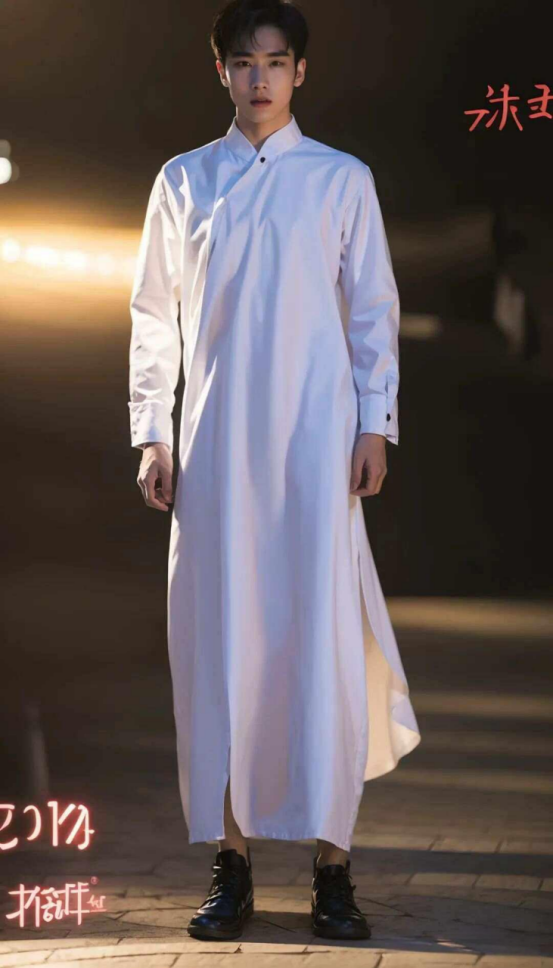
Can men wear qipao?
Men can wear qipao; it is a way of personal preference and self-expression. The key lies in the color and pattern of the qipao. How to choose a suitable men’s qipao? You must not choose those with gaudy colors or tight fits. Instead, you should opt for ones with plain colors and good fabric, ensuring comfort when wearing. For the color, I recommend sky blue, paired with butterfly patterns-it looks really nice when worn.