
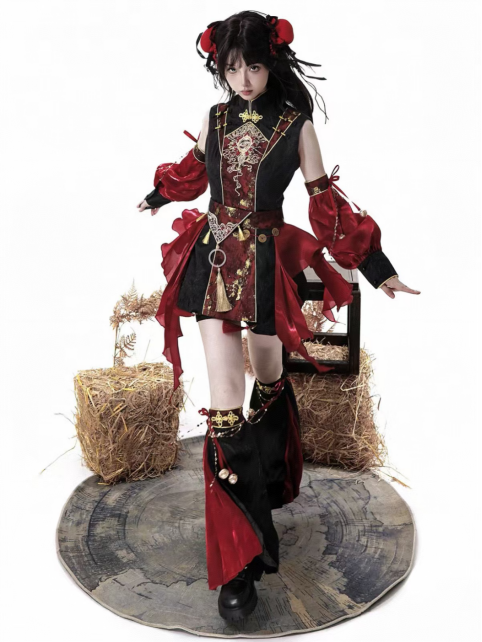
To a certain extent, anime costumes can also be said to be cosplay costumes born for role-playing. They come from popular anime IP works and have been widely presented in reality. Those who cosplay in anime costumes are full of enthusiasm for the characters and appreciate the spirit and demeanor of the characters. We have seen so many anime costumes in our lives, but have we ever learned about them? Today, through this article, we will explain the design styles and different types of anime costumes to you. Let’
s see if there are costumes of your favorite anime characters.
Design Styles of Anime Costumes
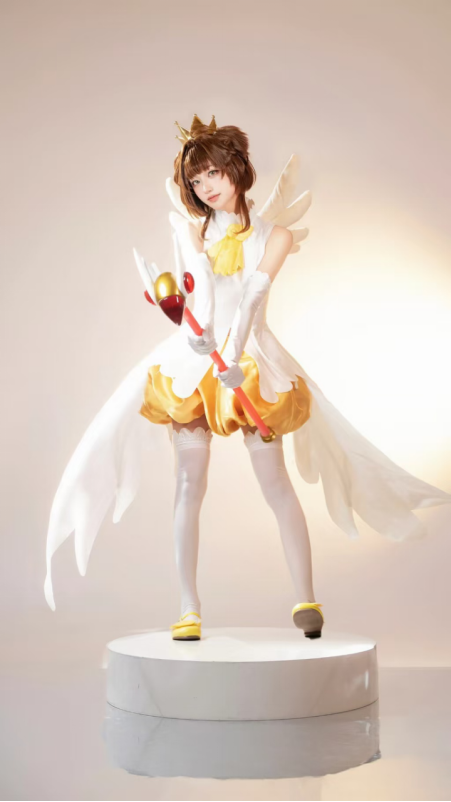
The core of anime costume design lies in being based on the anime character itself. It strives to perfectly restore the character’s unique charm through external visual symbols. Attention should be paid to detailed handling, and the overall costume style and composition should be realistic and reliable.
Generally speaking, anime costume designers use high-saturation color contrasts to create visual memory points, based on the costume elements of the character itself. They try to show some exaggerated costume parts to fully express the infinite charm of the character. For example:In Sailor Moon, the sailor uniforms have a gold and blue color scheme. Their version breaks through the conventional human body proportions, which fits the character characteristics.
In Attack on Titan, there is the mechanical design of the 3D Maneuver Gear. In Demon Slayer: Kimetsu no Yaiba, the haori has exaggerated gradient colors.These designs all strengthen the costume characteristics of the characters through clothing. Anime costume fabrics usually follow the principle of “visual priority”. They use materials with high expressiveness, such as faux leather and sequined fabrics. The use of such fabrics can well show the character tension of anime costumes in different states.
Types of Anime Costumes
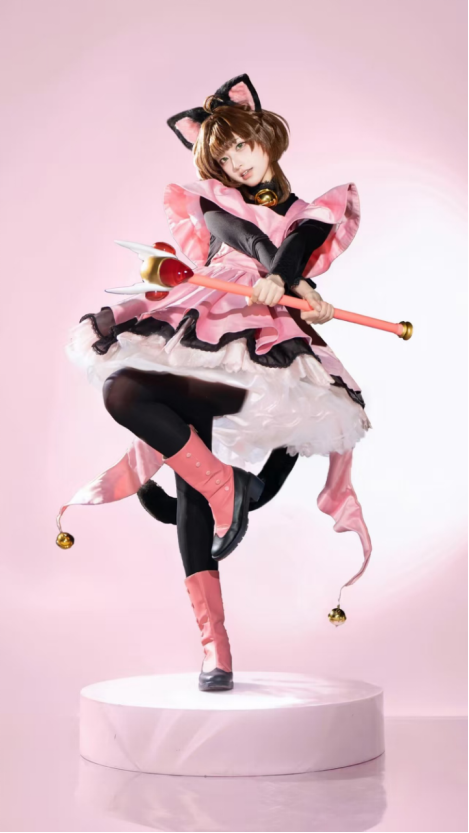
When it comes to the types of anime costumes, there is a wide variety. Here, we will list costume categories suitable for different age groups through a series of anime IPs.
Women Anime Costumes
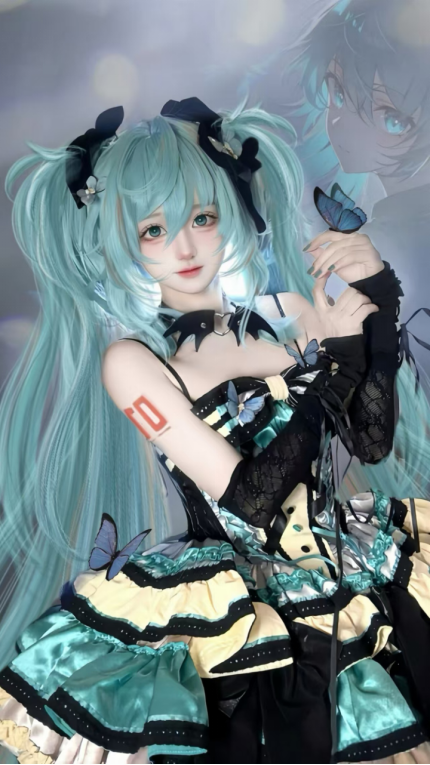
Costumes for cute anime girls and anime cosplay girl looks are constructed through the systematic integration and refinement of various sweet-style elements to establish a fundamental visual impression. Some typical design paradigms include:
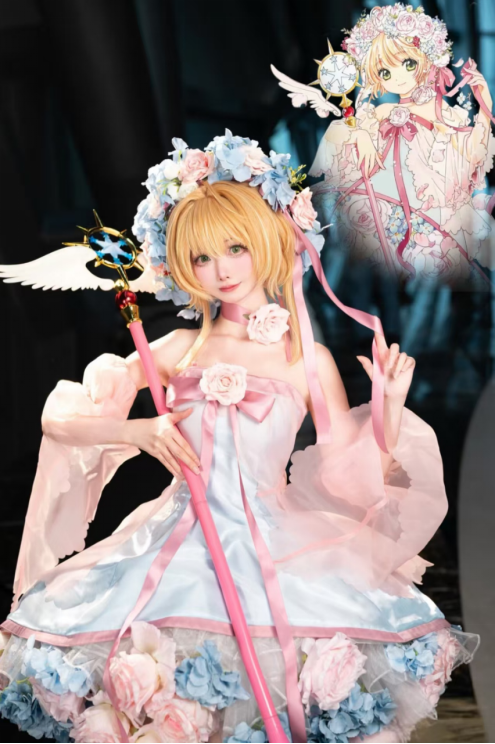
●The bow decoration principle, such as the 70 different outfits that Tomoyo designed for Sakura in Cardcaptor Sakura.
●The candy-colored gradient technique, and the trembling ear design on Pikachu hoodies from Pokémon.
●The rainbow-hued wig of Rainbow Dash in My Little Pony, which uses dynamic elements to enhance the vividness of the costume.
●In recent years, many character costumes have incorporated elements like Lolita dresses and preppy-style jackets, adding more cute and sweet styles to the characters.
Men Anime Costumes
Male anime costumes focus on building a visual system that conveys a sense of movement and power. Common styles include:
●Armor extensions, such as the Saiyan armor designs in Dragon Ball.
●Diagonally cut capes, like the flowing ninja attire of Naruto in Naruto.
●Armored suits, such as those worn by characters in Kamen Rider.
Anime costumes for kids
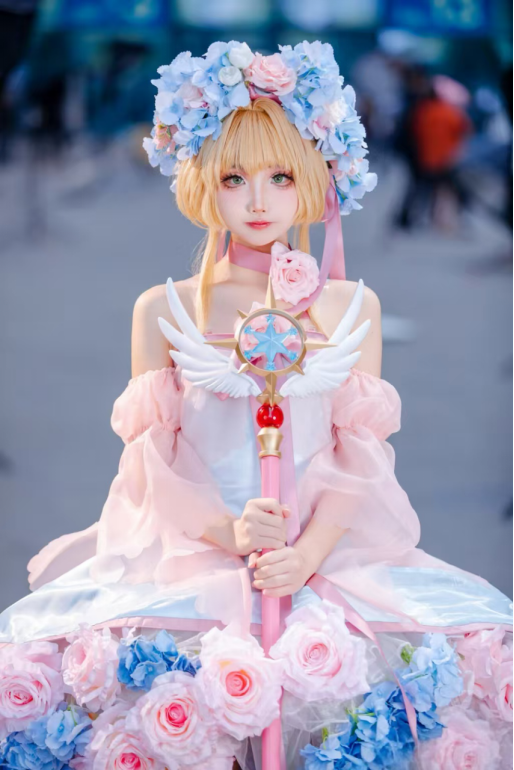
When it comes to children’s anime costumes, greater attention to details is required. They must use fully breathable fabrics to ensure comfort, have small accessories of some characters removed to prevent accidental swallowing by children, and adopt environmentally friendly printing and dyeing technology to protect children’s delicate skin. Some classic styles include onesie dinosaur costumes, rainbow unicorn hoodies, Pikachu sets, and My Little Pony onesies – all anime IP costumes targeting children.
Professional Anime Costumes
Professional anime costumes are also quite common. The professional anime costumes we often see include the detective suits in Detective Conan, and the anthropomorphic professional anime costumes of human cells (such as red blood cells and white blood cells) in Cells at Work!.
Similar examples also include the basketball uniforms in Kuroko’s Basketball; these uniforms even adopt fluorescent designs to enhance the overall dynamic effect. In Food Wars: Shokugeki no Soma, the golden-threaded embroidery on the chef uniforms further strengthens the professionalism of the chef profession and the soul of the characters.
Moreover, more professional anime costumes reinforce the characters’ images by retaining key professional symbols, such as stethoscopes, police badges, and magic wands.
The greatest feature of anime costumes lies in their creative design that transcends dimensional boundaries. For example, magical girl costumes made with thermochromic ink can change color based on body temperature, creating a unique character experience for cosplayers. Additionally, the character costumes from Avatar, woven with fiber optic fabric, can simulate the bioluminescence of creatures on Pandora, adding a great deal of vibrancy to the characters.
Furthermore, 3D printing technology has also made it possible to create certain costume elements that are difficult to produce manually.
Common Q&A
1. How to Choose Anime cosplay Costumes
Anime cosplay refers to using clothing, accessories, and props to portray characters from anime. As early as around 1000 BC, costumes appeared in Greek rituals; in fact, such costuming involves both appearance and emotional expression.
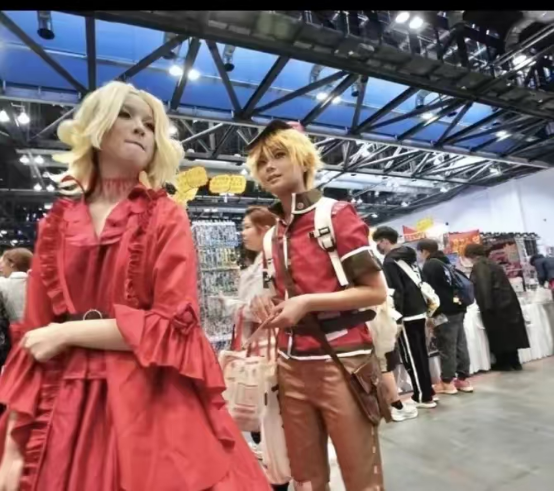
With the popularization of games today, more and more people have developed a liking for cosplay. At various game and comic festivals, both men and women dress up as characters from anime or games, attracting a large number of onlookers.
Costumes are a crucial factor in cosplay. When purchasing anime costumes, you should avoid tight pants and prioritize styles with large hemlines or capes that cover the hip area. Choose different costumes based on your body shape:
●For an inverted triangle body shape, layered designs can be used to balance broad shoulders.
●For an apple body shape, high-waisted Hanfu or corseted dresses can be selected to highlight proportions.
In addition, you should check the texture of the character’s costume and pay special attention to whether the accessory colors are cool-toned. For high-friction areas such as underarms and joints, it is recommended to choose four-way stretch fabric to avoid the embarrassment of seam breakage during movement.
For indoor stage shoots, matte chiffon or imitation silk offers better drape. For outdoor comic conventions, breathable cotton-linen materials are preferred. Be careful to avoid chemical fiber reflective fabric, as it will produce a plastic-like appearance when exposed to stage lights.
2. What Are the Suitable Anime Costume Choices for Children?
There are suitable options. For little boys, the Light Warrior costumes from Ultraman and the Detective Chase costumes from PAW Patrol are suitable. For little girls, they can choose the improved battle skirt of Chisato from Lycoris Recoil and the Eevee hooded pajamas from Pokémon. These anime costumes balance safety and a sense of role immersion.
When children wear anime costumes, they can initially establish their first aesthetic awareness through the costume color system. They can find a suitable clothing style for themselves through costume elements and build their initial concept of clothing identity. The values of positive characters are imperceptibly instilled in children. This is also a way to help children establish correct views on the world, life, and values.
Our online store sells various role-playing costumes. You can find suitable ones there.

 Shop Japanese Formal Kimono Women For Cheap