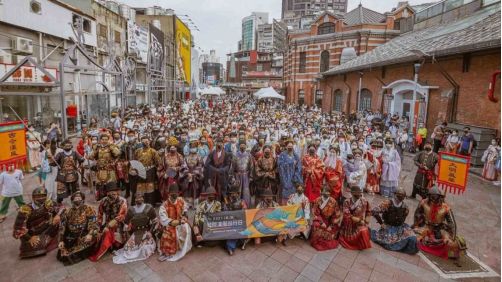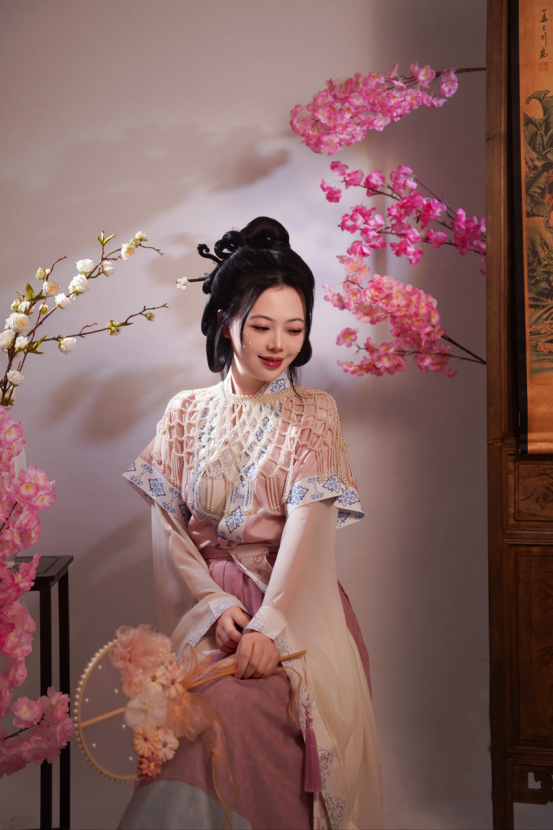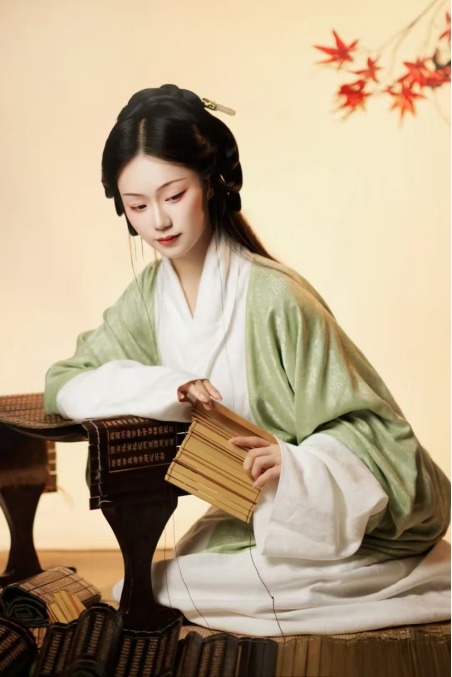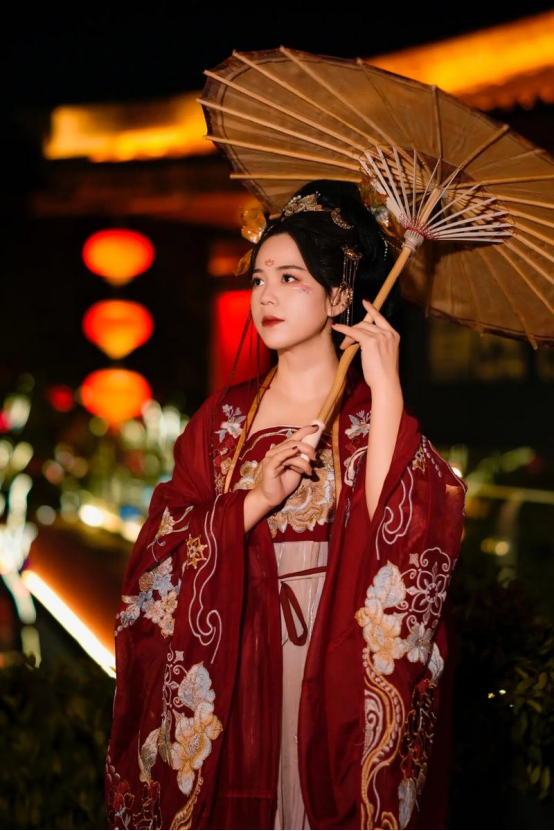
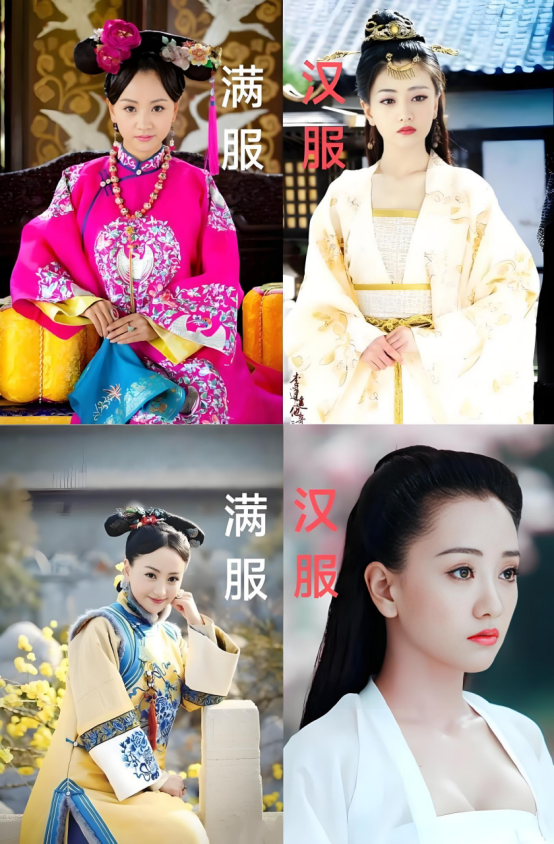
The Ming and Qing dynasties were the end of China’s feudal history. During this period, the development of traditional culture reached its peak. Especially in terms of traditional costumes, they made the final footnote to China’s traditional costumes. However, due to the ethnic differences of the ruling classes, there were still differences in some costume cultures between the two dynasties, with distinct characteristics. For example, the Hanfu of the Ming Dynasty and the women’s costumes of the Qing Dynasty differ in cultural background, main characteristics, reflection of social status, costume style, costume accessories, costume colors, costume patterns, etc.
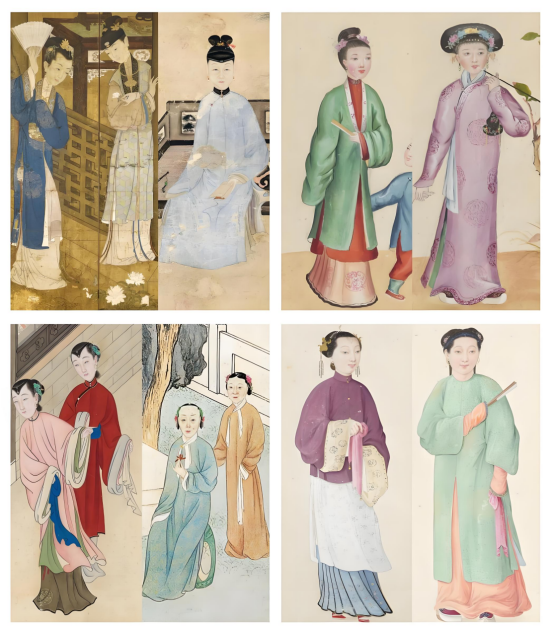
The characteristics of women’s costumes in the Ming and Qing dynasties
The Hanfu for women in the Ming Dynasty paid more attention to the magnificence and decoration of costumes. The women’s costumes in the Qing Dynasty, however, emphasized simplicity and practicality. The Hanfu of the Ming Dynasty had bright colors and rich patterns. The women’s costumes in the Qing Dynasty, on the other hand, had relatively simple colors and patterns.
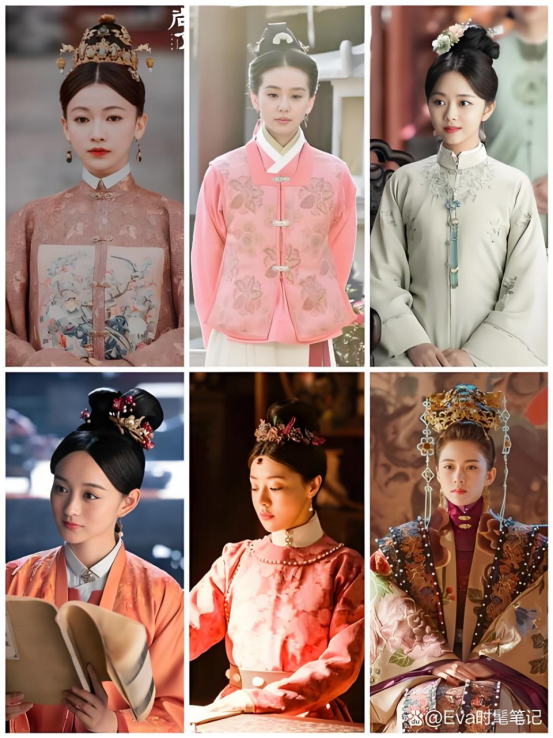
Overall, the Hanfu of the Ming Dynasty and the women’s costumes of the Qing Dynasty each have their own characteristics. They reflect the cultural characteristics and social customs of two different historical periods. Choosing which style of costume to study and appreciate depends on personal interests and preferences. If you are interested in traditional Chinese culture, you may tend to study the Hanfu of the Ming Dynasty. If you are interested in the history of multicultural exchanges, you may tend to study the women’s costumes of the Qing Dynasty.
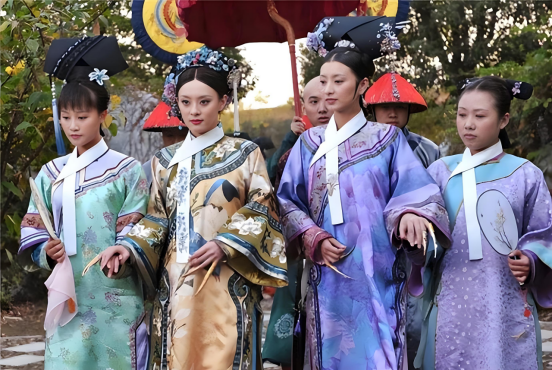
A comparison of women’s costumes in the Ming and Qing dynasties
The women’s costumes in the Ming Dynasty were centered on “upper garment and lower skirt”. “Ao” (a kind of jacket) and “skirt” were common elements of women’s costumes in the Ming Dynasty. The Ao shirts were long. The collars were mainly straight, round or cross collars. The cuffs were generally wide. The edges of the necklines were usually embroidered with various exquisite decorative patterns. The mainstream of the lower skirt was the horse-face skirt. The front of the horse-face skirt was in the center, with pleats on both sides, showing elegance and lightness in every move. In addition, when going out, women in the Ming Dynasty would wear a bijia over their outer clothes. This was also a characteristic part of women’s costumes in the Ming Dynasty. Bijia was a sleeveless vest, fastened in front with buttons. There was also the yunjian, a more exquisite and gorgeous style, which was a decorative object worn on the shoulder to show status.